

For engineers, buyers, and assembly teams, the humble M4 nut is more than a small component—it’s a linchpin of reliable manual fastening. Yet as industries demand greater durability, precision, and sustainability, the world of M4 nuts and manual fastening has evolved far beyond generic hardware. This guide cuts through the noise to focus on what matters most: solving your real-world challenges and keeping you ahead of emerging trends.
Key Considerations for Choosing the Right M4 Nut
Not all M4 nuts are created equal, and selecting the wrong one can lead to costly equipment failures, rework, or compromised safety. The first step is understanding how application conditions and industry standards drive your choice.
M4 nuts follow standard metrics—with a 4mm nominal diameter and 0.7mm coarse thread pitch as per DIN and ISO standards—but material selection is where performance is defined. For general industrial use, 304 stainless steel M4 nuts offer a balance of corrosion resistance and affordability, ideal for dry or mild environments like mechanical assemblies and electronic enclosures. In harsher settings—such as marine, chemical, or outdoor applications—316 stainless steel M4 nuts deliver superior resistance to saltwater, chemicals, and oxidation, ensuring long-term stability without frequent replacements.
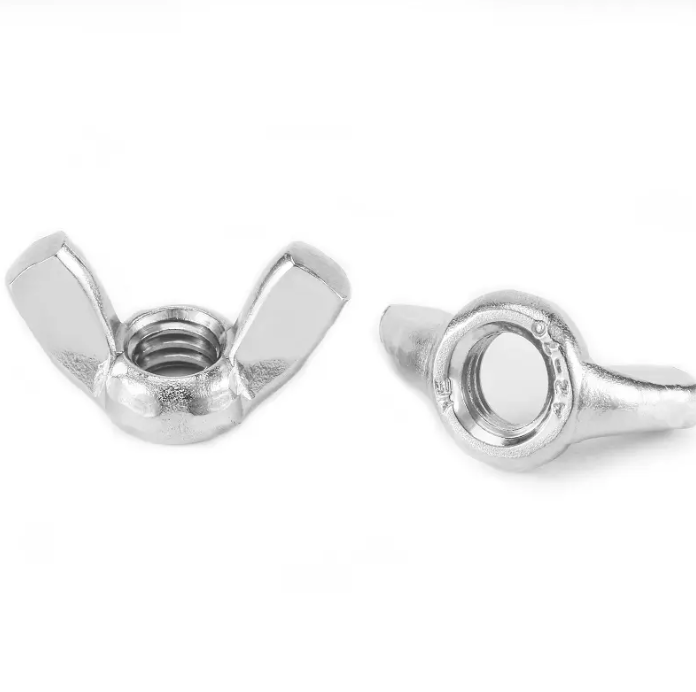
Another critical factor is locking mechanism, especially for high-vibration applications like automotive chassis or power tools. Traditional spring washers fall short in dynamic environments, but M4 nylon lock nuts use a nylon insert to create friction that prevents loosening, while flange M4 nuts integrate a built-in washer to distribute pressure and boost stability—eliminating the need for separate components and streamlining assembly.
Industry Trends Reshaping Manual Fastening with M4 Nuts
Manual fastening isn’t stuck in the past; it’s adapting to modern manufacturing demands, with M4 nuts at the center of key shifts.
1. Smart Fastening and Predictive Maintenance
While manual fastening remains essential for precision work, the rise of smart is influencing how teams monitor M4 nut performance. Embedded sensors in critical assemblies—common in aerospace and infrastructure—track torque, temperature, and vibration around M4 connections, alerting maintenance teams to potential loosening before failures occur. For buyers, this means prioritizing M4 nuts compatible with smart monitoring systems, even in manual workflows, to enhance safety and reduce downtime.
2. Sustainable and High-Performance Materials
Sustainability is no longer a buzzword—it’s a requirement. The industry is moving beyond standard metals to eco-friendly alternatives, such as recycled stainless steel M4 nuts and low-carbon alloys, without sacrificing strength. Additionally, advanced materials like titanium M4 nuts are gaining traction in weight-sensitive sectors for their high strength-to-weight ratio, though cost considerations may limit widespread use for now.
3. Standardization and Supply Chain Efficiency
Global buyers face challenges with inconsistent quality and long lead times for specialty fasteners. To mitigate this, manufacturers are doubling down on international standards for M4 nuts, ensuring interchangeability across regions. Digital supply chain tools are also streamlining procurement: B2B platforms now offer real-time inventory checks, bulk pricing for M4 nut orders, and traceability—critical for industries like automotive and electronics that rely on just-in-time production.
Solving Common M4 Nut Fastening Challenges
Buyers and assembly teams often grapple with two core issues: ensuring consistent torque and preventing corrosion. Here’s how to address them:
Torque Consistency: For manual fastening, use calibrated torque wrenches paired with M4 nuts designed for precise torque application . Avoid over-tightening, which can strip threads—especially in soft materials like aluminum.
Corrosion Prevention: Beyond material choice, consider surface treatments like passivation for stainless steel M4 nuts or zinc plating for carbon steel variants. In extreme environments, combine 316 stainless steel M4 nuts with anti-corrosion thread lockers for an extra layer of protection.
Final Thoughts: Beyond Basic M4 Nuts
The future of manual fastening lies in balancing simplicity with innovation—and M4 nuts are a perfect example of this evolution. By focusing on material compatibility, locking mechanisms, and industry trends, you can select M4 nuts that don’t just fasten components, but enhance the overall reliability and efficiency of your products. Whether you’re sourcing for electronics, automotive, or construction, the right M4 nut transforms a basic task into a competitive advantage.
Post time: Jan-29-2026