

Vibration isn’t just a faint hum in your machinery—it’s a silent profit drain. Unchecked, it loosens fasteners, wears critical components, and triggers unexpected downtime that costs businesses thousands per hour in lost production and emergency repairs ¹. For industries from manufacturing to aerospace, the solution often lies in a humble yet powerful component: the wing nut. Here’s how this versatile fastener helps mitigate vibration risks and protect your bottom line.
The True Cost of Ignoring Vibration
Most buyers underestimate vibration’s impact until it’s too late. Industry data shows over 60% of mechanical failures stem from unaddressed abnormal vibration , leading to:
- Catastrophic downtime: A single pump motor failure can halt production for days, with repair costs soaring from hundreds to tens of thousands of dollars.
- Cascading damage: Loose fasteners from vibration cause bearing wear, shaft damage, and even structural failures that spread to adjacent equipment.
- Hidden expenses: Increased energy waste, frequent part replacements, and safety risks add up to 28% of annual equipment maintenance costs.
Why Wing Nuts Are Critical for Vibration Resistance
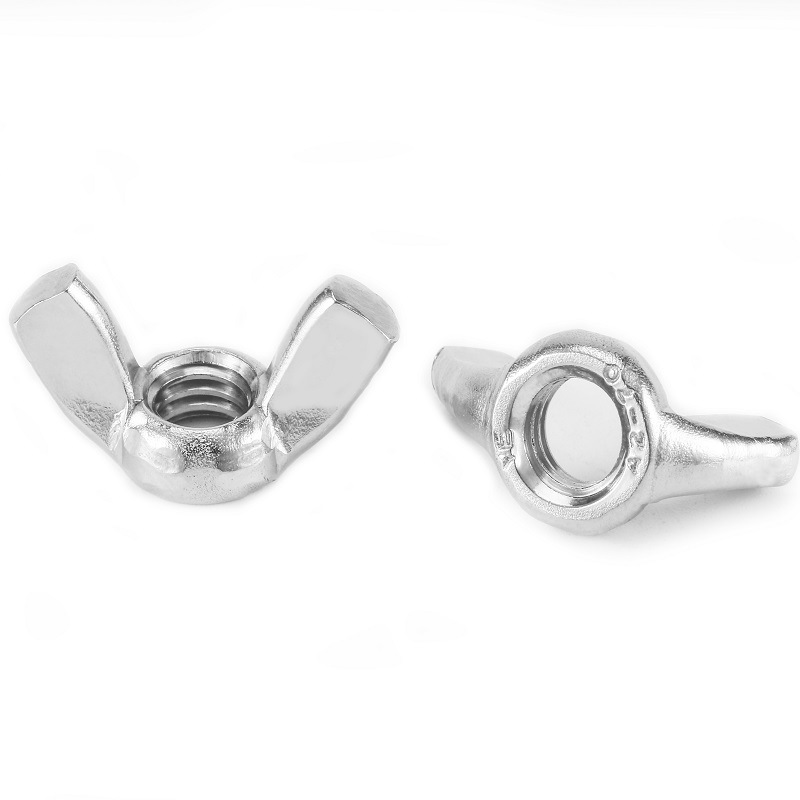
Wing nuts (or butterfly nuts) are far more than handy hand-tightened fasteners—they’re engineered to tackle vibration-related challenges across industries:
- Tool-free reliability: Their winged design allows quick adjustments without wrenches, ideal for equipment requiring frequent maintenance . In high-vibration settings like conveyor belts or motors, this means faster re-tightening to prevent loosening.
- Industry-specific durability: For harsh environments, bronze or stainless steel wing nuts offer corrosion resistance (vital for marine/shipbuilding) or high strength (critical for aerospace and heavy machinery) . Pair them with lock washers or thread lockers, and they resist even extreme vibration .
- Versatile stability: From factory robots to offshore drilling equipment, wing nuts secure components that endure constant motion. Their ergonomic design ensures consistent torque, reducing the risk of human error during installation.
3 Practical Steps to Prevent Downtime with Wing Nuts
- Choose the right type for your industry: Opt for anti-vibration wing nuts with nylon inserts for precision equipment or heavy-duty steel variants for industrial machinery. For marine applications, bronze wing nuts combat saltwater corrosion while maintaining grip .
- Pair with complementary components: Combine wing nuts with split lock washers or star washers to amplify vibration resistance. This “double security” prevents loosening even in high-frequency vibration environments like compressors .
- Integrate into preventive maintenance: Schedule monthly checks of wing nut-secured parts—pay extra attention to high-vibration zones . Hand-tighten as needed; over-tightening can damage threads and reduce effectiveness .
Don’t Let Vibration Eat Into Profits
Vibration’s hidden costs don’t have to be inevitable. By leveraging wing nuts’ unique combination of ease-of-use, durability, and vibration resistance, you can stop fastener loosening before it leads to costly downtime. Whether you’re sourcing for a manufacturing plant or maintaining critical infrastructure, the right wing nut isn’t just a fastener—it’s an investment in reliability.
Choose wing nuts engineered for your industry’s demands, and turn vibration from a liability into a manageable challenge.
Post time: Jan-03-2026