

The harsh salt spray, humidity, and corrosive gases of the marine environment don’t just wear down offshore infrastructure—they target the tiny but critical components holding everything together. A marine-grade hex nut isn’t just a standard fastener; it’s a defense against structural failure. For anyone sourcing parts for offshore wind turbines, oil rigs, or coastal terminals, knowing how these hex nuts perform in extreme conditions and what to look for in quality products is make-or-break for project safety and longevity.
What Makes a Hex Nut “Marine-Grade”?
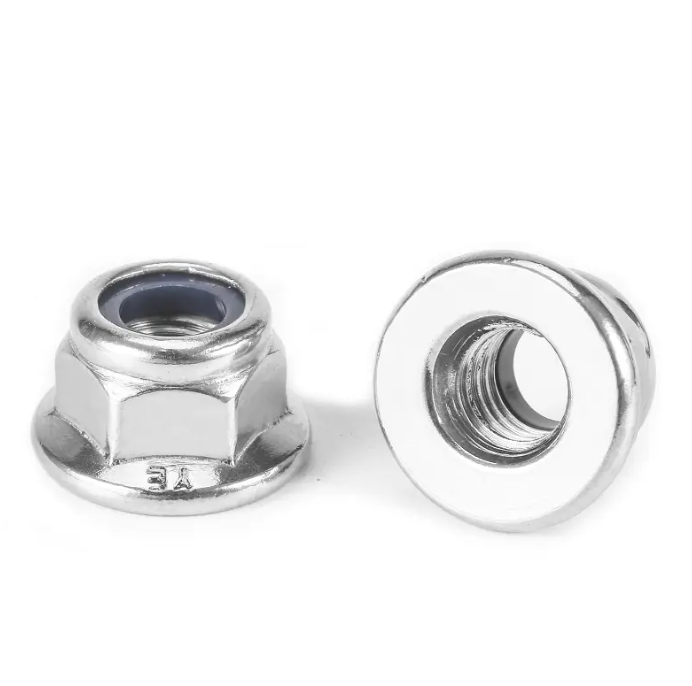
First, let’s clarify the basics: a hex nut is a six-sided fastener designed to pair with bolts, studs, or threaded rods, creating a secure joint by distributing pressure evenly. But standard hex nuts won’t survive the offshore environment—marine-grade variants are engineered specifically to resist corrosion, the top enemy of offshore fasteners. This difference isn’t just about materials; it’s about meeting industry standards that guarantee performance in saltwater, high humidity, and constant exposure to the elements.
Key Industry Standards for Offshore Hex Nuts
For buyers, understanding industry standards is non-negotiable—it’s how you verify a hex nut lives up to its “marine-grade” label. The most widely recognized benchmarks include:
ISO 9227: The global standard for salt spray testing, which simulates marine salt fog to measure corrosion resistance. Marine-grade hex nuts typically pass 96+ hours of this test, with premium options enduring 500+ hours.
ASTM B117: A U.S.-based salt spray standard, often used alongside ISO 9227 for comprehensive corrosion validation.
C5-M Corrosion Classification: Defined by ISO 12944-6, this rating is mandatory for hex nuts used in severe marine environments like deep-sea wind farms or oil platforms.
DIN 934 & ISO 4017: These govern the dimensional and mechanical specs of hex nuts, ensuring compatibility with offshore bolts and compliance with global project requirements.
Corrosion Protection Methods: Which Fits Your Project?
Marine-grade hex nuts rely on specialized surface treatments to fight corrosion—each with pros and cons tailored to offshore scenarios. Here’s a buyer-friendly breakdown:
Hot-Dip Galvanizing
The most common and cost-effective method, where hex nuts are dipped in molten zinc to form a thick, durable coating. It works well for near-shore structures but may not withstand extreme deep-sea conditions. Note: High-strength hex nuts should avoid during this process to prevent strength loss.
Dacromet Coating
A zinc-aluminum chromate coating that offers superior corrosion resistance without hydrogen embrittlement—a risk with electroplating. Ideal for high-torque applications like wind turbine assemblies, though traditional formulas contain chromium.
Powder Zinc Diffusion
A green, heat-based process that creates a zinc-iron alloy layer. It’s durable, eco-friendly, and works for both shallow and moderate marine environments, making it a popular choice for sustainable offshore projects.
Critical Tips for Sourcing Marine-Grade Hex Nuts
As a buyer, avoiding costly mistakes means focusing on these key checks:
Always request third-party test reports—look for ISO 9227 salt spray results and C5-M certification. Don’t rely on “galvanized” claims alone; confirm coating thickness and adhesion. For deep-sea or high-wind projects, prioritize hex nuts with combined treatments for extra protection.
The Future of Marine-Grade Fasteners
The offshore industry is shifting toward eco-friendly and high-performance solutions. Manufacturers are developing chromium-free Dacromet coatings and advanced alloys to meet stricter environmental regulations. For buyers, this means more durable, sustainable hex nut options—without compromising on corrosion resistance.
At the end of the day, marine-grade hex nuts are about trust: trust that the fastener won’t fail when faced with the ocean’s fury. By understanding industry standards, corrosion methods, and sourcing best practices, you’re not just buying a hex nut—you’re protecting your project’s safety and long-term value.
Post time: Jan-27-2026