

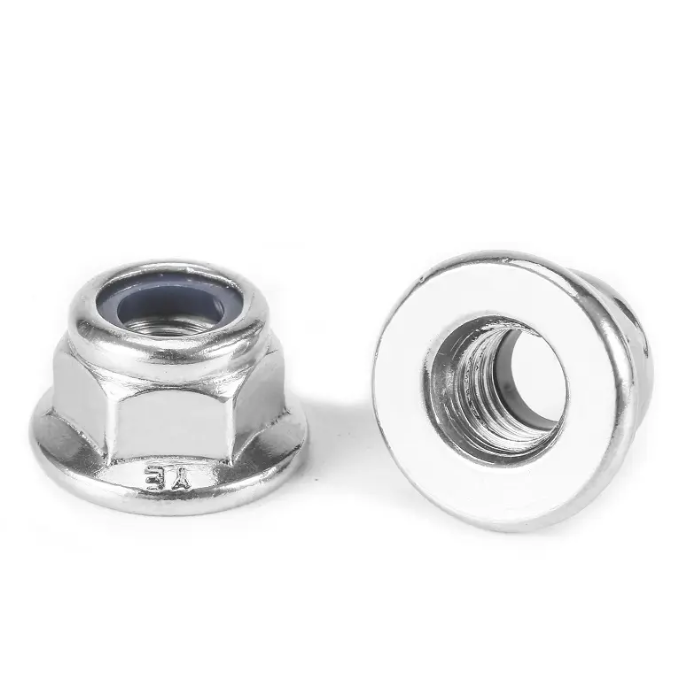
Vibration-induced fastener failure costs industries billions annually in repairs, downtime, and safety risks. For decades, metal fasteners dominated the market—but they’re increasingly falling short in high-vibration applications. Today, advanced polymers are changing the game, offering a smarter, more reliable alternative. Among these innovations, Nylon Nuts stand out as a practical solution that addresses the core pain points of buyers across sectors. Let’s explore how polymer-based fasteners are redefining vibration resistance and what this means for your procurement decisions.
First, it’s critical to understand why traditional metal fasteners struggle with vibration. When exposed to continuous or intermittent vibration—common in automotive, aerospace, railway, and industrial machinery—metal nuts and bolts gradually lose preload. This happens due to metal fatigue, thread wear, and the inability to maintain consistent friction over time. The result? Loose connections that can lead to equipment breakdowns, product recalls, or even hazardous incidents. For buyers, this translates to higher maintenance costs, unplanned downtime, and the risk of reputational damage .
Advanced polymers solve these issues by leveraging their unique material properties—flexibility, durability, and inherent friction—that metal simply can’t match. Unlike rigid metal, polymers can absorb vibration energy rather than transferring it to the fastener joint. This absorption reduces the stress on the connection, minimizing the chance of loosening. What’s more, polymer fasteners like Nylon Nuts are engineered to maintain their structural integrity across a wide range of temperatures and environmental conditions, from extreme cold in automotive engine bays to high humidity in marine applications.
Nylon Nuts, in particular, have become a staple in industries prioritizing vibration resistance, and their popularity stems from industry-specific needs that buyers consistently prioritize. One key industry characteristic driving their adoption is the demand for lightweight solutions. In aerospace, automotive, and railway sectors, every ounce matters—Nylon Nuts weigh up to 95% less than their metal counterparts while maintaining comparable load-bearing capacity . This lightweight advantage not only reduces overall equipment weight (boosting fuel efficiency in transportation) but also eases handling and installation, cutting down on labor costs for assembly lines.
Another critical industry trend fueling the shift to Nylon Nuts is the growing focus on electrical insulation and corrosion resistance. In electrical and telecommunications applications, metal fasteners pose a risk of conductivity and electromagnetic interference (EMI). Nylon Nuts are non-conductive, eliminating these risks and ensuring signal stability in communication and electronic devices . Similarly, in chemical processing, marine, and wastewater treatment facilities, metal fasteners corrode quickly when exposed to harsh chemicals, saltwater, or chlorine. Nylon Nuts resist corrosion naturally, reducing replacement frequency and long-term maintenance expenses .
For buyers navigating complex procurement requirements, the versatility of Nylon Nuts across industries is a major advantage. They’re not a one-size-fits-all solution—instead, they’re adaptable to diverse applications. In automotive manufacturing, Nylon Nuts are used in engine mounts and chassis components, where they withstand the high-frequency vibration of running engines and the jostling of rough roads. In renewable energy, such as wind turbines, they secure components exposed to constant wind-induced vibration without loosening. Even in precision electronics, their non-abrasive nature protects delicate parts while maintaining a secure hold .
When evaluating Nylon Nuts for your specific needs, there are a few industry-specific considerations to keep in mind—factors that separate reliable suppliers from subpar ones. Look for Nylon Nuts made from high-grade materials like PA66 (polyamide 66), which offers superior heat resistance (up to 120°C) and durability compared to lower-grade nylons. Additionally, check for compliance with industry standards (such as DIN 982 for nylon lock nuts) to ensure compatibility with your existing fastener systems. For buyers in regulated sectors like aerospace or medical devices, certification for RoHS compliance is non-negotiable, as it ensures the nuts are free of hazardous substances .
The shift from metal to advanced polymer fasteners isn’t just a trend—it’s a response to the evolving needs of buyers who demand more from their components. Nylon Nuts exemplify this evolution, combining vibration resistance with lightweight design, corrosion protection, and electrical insulation. For procurement professionals and engineers, this means a lower total cost of ownership: fewer replacements, less maintenance, and reduced downtime. As industries continue to prioritize reliability and efficiency, advanced polymer fasteners will only grow in importance.
In summary, advanced polymers are redefining vibration resistance by addressing the fundamental limitations of metal fasteners. Nylon Nuts, as a leading example of this innovation, align with key industry trends—lightweighting, corrosion resistance, and electrical safety—that drive buyer decisions. By understanding how these polymer fasteners work and their industry-specific applications, you can make more informed procurement choices that enhance the performance and reliability of your products. The future of fasteners is no longer metal—it’s polymer, and it’s changing the way industries approach vibration resistance.
Post time: Jan-08-2026