

Vibration, frequent washdowns, and heavy loads—these are the daily battles for food processors and farmers alike. A single loose fastener can halt production lines, damage equipment, or compromise hygiene standards. That’s where anti-loosening technology, anchored by the reliable lock nut, becomes a game-changer for operational efficiency and reliability.
The Hidden Cost of Loose Fasteners in Food & Agriculture
In industries where downtime equals lost revenue, fastener failure is more than a nuisance—it’s a critical risk. Agricultural machinery like tractors and harvesters endure constant vibration from rough terrain, causing standard nuts to back off over time. This leads to costly repairs, missed planting or harvesting windows, and even safety hazards for operators.
For food processing facilities, the stakes are higher. Equipment like mixers, conveyors, and lines undergo rigorous washdowns with high-pressure water and chemicals. Loose fasteners create crevices for bacteria growth, violating hygiene standards such as EHEDG and 3-A certification. The result? Production halts for deep cleaning, regulatory fines, or compromised product safety.
Lock Nut: More Than a Fastener—An Industry-Specific Solution
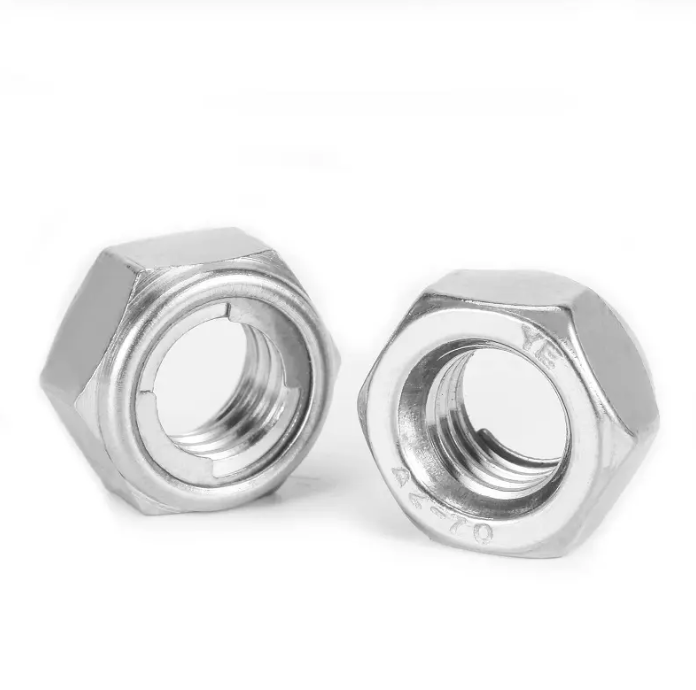
A lock nut, unlike standard nuts, is engineered to resist loosening under dynamic stress, making it indispensable for these sectors. Its value lies not just in design, but in how it aligns with industry-specific demands:
Hygiene Compliance for Food Processing
Food-grade lock nuts are crafted from 304 or 316 stainless steel, materials that resist corrosion from harsh cleaners and prevent toxic leaching. Their smooth, crevice-free surfaces eliminate bacterial hotspots and withstand high-pressure washdowns, supporting “clean-in-place” protocols. Certified hygienic lock nuts even feature seals to block water and contaminants, ensuring compliance with global food safety regulations .
Vibration Resistance for Agricultural Machinery
Agricultural lock nuts leverage mechanisms like wedge locking or nylon inserts to maintain tension despite constant vibration. Tractors, for example, use lock nuts on front axles and gearboxes to avoid bolt under heavy loads— a solution that reduces maintenance frequency and extends equipment lifespan . For machinery like rotary tillers, dual-lock designs prevent “lost knife” incidents, a common and costly issue for farmers .
How Anti-Loosening Technology Boosts Operational Efficiency
The right lock nut and anti-loosening strategy translate directly to bottom-line gains:
- Reduced Downtime: Lock nuts minimize unplanned stops from fastener failure. Agricultural operations avoid missed deadlines, while food plants stay on schedule without hygiene-related interruptions.
- Lower Maintenance Costs: Less frequent re-tightening, repairs, and part replacements cut labor and material expenses. For farms, this means fewer trips to service machinery in remote fields.
- Regulatory Peace of Mind: Compliant lock nuts simplify adherence to food safety standards, reducing the risk of audits and fines. They also support traceability, a key requirement for global food supply chains.
Choosing the Right Lock Nut for Your Application
Not all lock nuts are created equal—selecting one requires matching it to your specific. For food processing, prioritize EHEDG or 3-A certified options with smooth surfaces and corrosion resistance. For agricultural use, opt for heavy-duty lock nuts with vibration-resistant mechanisms, such as wedge washers or self-locking threads, to handle extreme loads and terrain.
Partnering with suppliers who understand these industry nuances ensures you get a lock nut that doesn’t just fasten—it enhances efficiency. Look for providers that offer technical support to align your choice with operational needs, from high-volume food production to small-scale farming.
Final Thoughts: Efficiency Starts with Reliable Connections
Anti-loosening technology and lock nuts may seem like small components, but they are the backbone of reliable operations in food processing and agriculture. By addressing the unique challenges of each sector—hygiene, vibration, and regulatory pressure—they drive efficiency, safety, and profitability. For buyers, investing in the right lock nut isn’t just a purchase—it’s a strategic decision to keep operations running smoothly, no matter the conditions.
Post time: Jan-16-2026