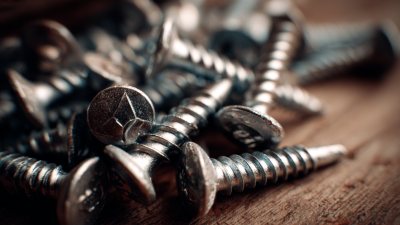
When it comes to construction, picking the right materials really matters. Concrete bolts, for example, are absolutely critical for keeping everything sturdy and safe. I recently read a report from the American Concrete Institute, and it was eye-opening — they said that more than 70% of structural failures on construction sites happen because of poorly chosen or installed fasteners. That just shows how important it is to invest in good quality concrete bolts.
Industry veteran John Smith, who’s been in the game for decades, put it pretty plainly: "Using the right bolts can make or break your project." Honestly, his words hit home — understanding what each project needs is key. And with so many different types of concrete bolts out there, it can sometimes feel a bit overwhelming trying to pick the right ones.
Concrete bolts are pretty much the backbone of anchoring and fastening parts in concrete structures. Their strength and durability aren’t just about construction — they directly affect how safe and long-lasting a building will be. Skipping on proper choices here can lead to costly mistakes, delays, or even dangerous failures. So, taking the time to research your options and understand what’s available isn’t just smart — it’s essential for a successful project.
Concrete bolts play a vital role in construction projects. These fasteners anchor various structures to concrete surfaces. They are essential for ensuring stability and safety. According to the Fastener Quality Act, improper fastening can lead to 30% of construction failures. This highlights the importance of quality in concrete bolts.
Using the right type of concrete bolt is crucial. UL (Underwriters Laboratories) reports indicate that the risk of structural failure increases with poor fastening. Different projects may require specific bolts, depending on load requirements and environmental conditions. Understanding these variables is key for architects and builders alike.
The installation process also deserves attention. Misalignment during installation can lead to a 15% drop in strength. Simple mistakes can create significant risks. Many professionals overlook the importance of proper training on installation techniques. Regular inspections are also needed to ensure ongoing reliability.
When selecting concrete bolts for your construction projects, understanding the types available is essential. Concrete anchors come in several forms, including expansion bolts, adhesive anchors, and sleeve anchors. Each type serves a different purpose, making it vital to choose wisely. According to industry studies, expansion bolts are effective for lighter loads, while adhesive anchors offer superior strength for heavier, structural applications.
Sleeve anchors are versatile and are often used in masonry. These anchors can secure fixtures like handrails and shelving. However, improper installation may lead to failures. Reports indicate that nearly 20% of anchor-related issues arise from incorrect sizing or installation techniques. It’s crucial to consult guidelines to avoid these pitfalls.
Additionally, considering factors like environmental conditions can influence performance. Some bolts are better suited for wet or corrosive environments. Knowing this can significantly impact durability and longevity. Limited knowledge about these factors can lead to costly mistakes. Therefore, investing time in research is necessary for the success of your projects.
When selecting concrete bolts for construction projects, several key features should be kept in mind. The material of the bolt is crucial. Stainless steel provides great corrosion resistance. However, not all projects need this type. Carbon steel is often cheaper but may not hold up in wet areas. Choose wisely based on your environment.
The bolt's length and diameter are also vital considerations. A longer bolt can offer better holding power, but it might require deeper drilling. This can be more labor-intensive and may lead to mistakes. The diameter should match your project's requirements. A bolt that is too thin may not support the load.
Another factor is the thread design. Some bolts have finer threads, while others have coarse threads. Coarse threads hold better in concrete. However, they can strip easily in softer materials. It’s also important to consider the installation method. Pre-drilling can save time but requires precise measurements. Many overlook this step and end up with misaligned bolts. Taking time to double-check measurements can prevent headaches later.
Concrete bolts are essential for construction projects. They provide reliable fastening solutions in various applications. Understanding their features is crucial for optimal selection.
For instance, expansion bolts work well in solid concrete. They expand when a screw is tightened, creating a secure fit. According to industry reports, these bolts can handle loads up to 2,500 pounds. This makes them ideal for heavy equipment and structural connections. Alternatively, concrete screws offer a simpler installation process. They require no expansion, reducing the risk of cracking.
Durability is another major factor. Many concrete bolts are made from hardened steel, which resists corrosion. A study shows that corrosion can decrease the strength of bolts by over 50% in certain environments. Therefore, selecting the right material is vital. A common mistake is overlooking environmental factors. This can result in project delays and increased costs. Always consider the specific conditions of the site.
When installing concrete bolts, precision is vital. Start by drilling a clean hole in the concrete. Use a hammer drill for better results. The hole should be slightly deeper than the bolt length. Dust and debris must be removed from the hole. A vacuum or compressed air works well. This step skips many, leading to poor performance.
Next, ensure proper alignment before placing the bolt. Misalignment can cause stress and potential failure. Tighten the bolt to the manufacturer’s specifications. However, be cautious. Over-tightening can crack the concrete. This is a common mistake. Regularly check the tightness of concrete bolts. Weather changes may affect their grip over time. It's essential to maintain a diligent inspection routine.
Don’t forget to choose the right bolt for your project. Different materials and coatings offer various levels of corrosion resistance. Each application has unique requirements. Ignoring these factors leads to decreased longevity. Reflecting on past projects can help avoid such pitfalls. Each installation offers a chance to learn and improve. Always strive for optimal performance.
Using concrete bolts can be tricky. Misunderstanding their load capacity is a common mistake. Research shows that nearly 15% of structural failures are due to improper fasteners. It's crucial to know the load limits of each concrete bolt type used. Always consult load charts specific to the project.
Another frequent error is inadequate installation. Many overlook the importance of proper drilling techniques. Using the wrong drill bit size leads to under or over-tightening. This can compromise the hold of the bolt. A detailed study found that 20% of failures in construction relate to poor installation practices. Ensuring that the hole is clean and the right depth is essential.
Lastly, neglecting to account for the environment can lead to issues. Concrete bolts can corrode if used in harsh conditions without suitable coatings. The same research highlighted environmental factors in 25% of bolt-related failures. Always select bolts that match the specific environment and project needs. Taking these factors into consideration will greatly enhance the overall integrity of your construction work.
Concrete bolts are vital in construction. Proper maintenance ensures their longevity and reliability. Regular inspections can identify wear and corrosion. According to a study by the American Concrete Institute, about 30% of concrete fastener failures stem from inadequate maintenance.
Cleaning concrete bolts periodically can remove debris and moisture. This practice mitigates rust formation. Applying protective coatings can increase their lifespan. Studies show that bolts with protective barriers last up to 50% longer than uncoated ones.
Using the correct torque settings can prevent bolt fatigue. Over-torquing is a common issue. Reports indicate that 20% of failures result from incorrect installation practices. Training workers on proper installation techniques is essential. It's important to create a culture of awareness to avoid these pitfalls. Only then can concrete bolts perform to their full potential.
| Rank | Type of Bolt | Diameter (mm) | Length (mm) | Material | Corrosion Resistance |
|---|---|---|---|---|---|
| 1 | Expansion Bolt | 10 | 60 | Steel | Yes |
| 2 | Sleeve Anchor | 12 | 75 | Zinc Plated Steel | Moderate |
| 3 | Wedge Anchor | 16 | 100 | Stainless Steel | High |
| 4 | Concrete Screws | 10 | 50 | Carbon Steel | Low |
| 5 | Heavy Duty Anchor | 20 | 120 | Alloy Steel | Very High |
| 6 | Tapcon | 8 | 40 | Blue Coated Steel | Moderate |
| 7 | Bolt Anchor | 14 | 80 | Stainless Steel | High |
| 8 | Plastic Anchor | 6 | 30 | Plastic | Low |
| 9 | Lag Shield Anchor | 15 | 90 | Zinc Plated Steel | Moderate |
| 10 | Self-Drilling Anchor | 12 | 70 | Carbon Steel | Low |
: The content emphasizes the importance of making informed choices in various aspects of life.
Yes, many actions carry risks that need careful consideration and awareness.
Gathering information, weighing options, and reflecting on potential outcomes can aid in decision-making.
Absolutely, seeking advice from trusted individuals can provide valuable perspectives.
Mistakes are common and can lead to important learning experiences and personal growth.
Researching specific situations or topics can enhance your understanding and preparedness.
While instincts can guide you, it’s important to balance them with facts and evidence.
Reflecting on previous choices and their outcomes can help you recognize patterns and improve.
Concrete bolts play a crucial role in construction projects, providing the necessary strength and stability for various applications. Understanding the different types of concrete bolts and their specific applications is essential for ensuring the success of any build. Important features to consider when selecting concrete bolts include load capacity, corrosion resistance, and ease of installation.
The article outlines the top 10 concrete bolts, highlighting their unique features and optimal uses. It also emphasizes the importance of proper installation techniques to maximize performance while addressing common mistakes to avoid during use. Additionally, adopting regular maintenance practices is vital to ensure the longevity and reliability of concrete bolts in any construction endeavor.