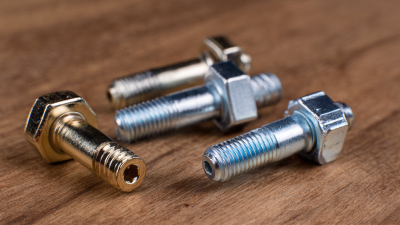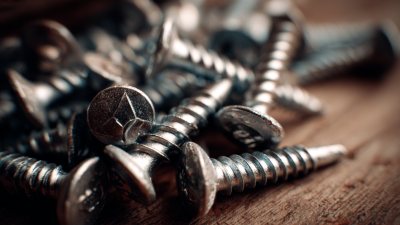
When it comes to fasteners, picking the right screw can really make or break your project. I mean, just ask John Smith, a pretty well-known expert in the field and Senior Engineer at Precision Fasteners. He’d tell you that choosing the right Hex Head Screw isn’t just for convenience — it’s critical for making sure your build stays solid and lasts long-term. You’ve probably noticed that hex head screws are super popular with builders and engineers these days. That's mainly because their design gives you a better grip and makes it easier to torque with a regular wrench.
Before you dive in, it’s honestly a good idea to understand what exactly you need from your screw. Things like the material, the coating, and how the threads are designed all matter — they can affect load capacity and how well the screw resists rust or corrosion. Whether you’re tackling a little DIY project at home or working on something bigger in a factory, knowing how to pick the right Hex Head Screw will save you headaches down the line. Focus on choosing ones that are durable and compatible with your materials, and you'll set yourself up for a reliable, long-lasting result. Trust me, a little extra research and attention to detail goes a long way in making sure your project stands on a strong, secure foundation.
When selecting the right hex head screw for your project, it's essential to understand the various types available and their specific applications. Hex head screws typically come in two main categories: metric and imperial.
Metric screws are measured in millimeters and are often used in machinery and automotive applications, while imperial screws are measured in inches and are commonly found in construction and woodworking projects. Choosing between these two types will largely depend on the specifications of your project and the materials you are working with.
Additionally, the materials and finishes of hex head screws are crucial for ensuring the desired durability and compatibility with your project. Common materials include stainless steel, which offers excellent corrosion resistance for outdoor applications, and carbon steel, known for its strength and affordability. Various finishes, such as zinc plating or black oxide, can enhance the longevity of the screws by providing an extra layer of protection. Understanding these types and materials will help you make informed decisions that align with the performance and aesthetic requirements of your project.
When selecting the right hex head screw for your project, understanding the material from which the screw is made is crucial. Different materials offer varying strength, corrosion resistance, and suitability for specific environments. For example, stainless steel screws are commonly used for outdoor projects due to their ability to resist rust and corrosion. In contrast, carbon steel screws, which are often treated with coatings, may be more appropriate for indoor applications where moisture is not a concern.
Tips: Always consider the environment where the screws will be used. If the screws are exposed to moisture or chemicals, opt for materials like stainless steel or coated screws to ensure longevity and performance.
Another aspect to keep in mind is the screw's tensile strength and hardness. Higher tensile strength materials, such as alloy steel, are ideal for heavy-duty applications that require strong fastening systems. However, if the application involves softer materials, selecting screws made from softer metals can prevent damage and ensure ease of installation.
Tips: Evaluate the mechanical requirements of your project to decide if you need a high-strength screw or a standard one. Matching the screw's properties with the material being fastened can improve overall assembly integrity.
When selecting a hex head screw for your project, determining the appropriate size and length is crucial to ensure optimal performance and structural integrity. The first key factor to consider is the thickness of the material being fastened. Measure the material accurately, as the screw needs to penetrate sufficiently to provide a secure hold while avoiding any damage to the workpiece. Typically, a screw length that is 1.5 times the thickness of the material is a good rule of thumb, although this may vary depending on the specific application and load requirements.
Another important consideration is the diameter of the screw, which affects its strength and the type of load it can bear. A larger diameter screw generally provides increased holding power, making it suitable for heavier applications, whereas smaller screws may suffice for lighter materials. Additionally, think about the type of joint and whether the screw will be subjected to dynamic loads, as this will influence the selection of both size and length. Overall, careful evaluation of these factors will guide you in choosing the right hex head screw for your specific project needs.
When selecting hex head screws for your project, understanding the importance of thread pitch is crucial. Thread pitch refers to the distance between threads, which influences how tightly the screw can grip materials. A fine thread pitch offers better tension and is ideal for applications where vibration may loosen the connection, while a coarse thread pitch provides greater holding power in softer materials. Choosing the right thread pitch ensures a secure fit, enhancing the longevity and safety of your assembly.
Tips: Consider the materials you are working with; for harder substances, a fine thread pitch can be more effective, while softer woods and plastics benefit from coarse threads. Always check the manufacturer's specifications to ensure compatibility with your intended use. Additionally, if you are unsure, purchasing a few different sizes and pitches may help you determine the best choice for your specific application.
Another point to consider is the environmental conditions of your project. Different thread pitches can have varying resistance to corrosion and wear, so it's essential to select a screw that matches the demands of your environment. For instance, if your screws will be exposed to moisture, look for options that offer superior durability and resistance to rust. This not only prolongs the life of the screw but also maintains the integrity of your overall project.
When selecting a hex head screw for your project, one of the most critical factors to consider is the corrosion resistance provided by various coatings and finishes. Corrosion can significantly impact the longevity and reliability of your fasteners, particularly in environments exposed to moisture, chemicals, or extreme temperatures. According to a study published by the American Society of Civil Engineers, approximately 20% of the structural failures in infrastructure projects can be attributed to corrosion, highlighting the importance of choosing screws with suitable protective coatings.
Different coatings offer varying degrees of protection against corrosion. For instance, zinc plating is commonly used due to its cost-effectiveness and adequate resistance, while more advanced options like hot-dip galvanizing provide a thicker layer that can withstand harsher conditions. A report from the National Association of Corrosion Engineers indicates that hot-dip galvanizing can extend the lifespan of steel components exposed to corrosive environments by up to 70%. Additionally, finishes such as epoxy or nylon can create a barrier that not only protects against rust but also enhances the aesthetic appeal of the screw, contributing to the screw’s overall effectiveness in the intended application.
When evaluating which coating to choose, consider the specific environmental conditions your project will face. A thorough analysis of factors such as humidity, temperature fluctuations, and exposure to chemicals will help determine the best coating to ensure the longevity and durability of your hex head screws. Investing in high-quality, adequately coated fasteners is essential to minimizing future maintenance costs and ensuring structural integrity in your projects.
When selecting hex head screws for a project, understanding the differences between ANSI (American National Standards Institute) and ISO (International Organization for Standardization) standards is crucial.
ANSI hex head screws, primarily utilized in North America, follow specific dimensional tolerances and material grade classifications that fit the region's industrial practices. For example, according to the ANSI/ASME B18.2.1 standard, a typical hex head screw's dimensions can vary significantly from those governed by ISO standards. The ANSI dimensions often prioritize ease of use with American tools, making them favorable for domestic applications.
In contrast, ISO hex head screws are designed to meet international requirements, ensuring compatibility across global markets. ISO 4014 and ISO 4017 standards delineate the mechanical properties and dimensions of these screws, which can be advantageous when sourcing parts internationally. A report published by the International Fastener Distributors Association noted that over 40% of fasteners used in global markets are manufactured according to ISO standards, highlighting their prevalence. Furthermore, the ISO 3506 standard addresses corrosion-resistant stainless steel screws, providing essential grade classifications that are critical in industries such as construction and automotive, where environmental conditions demand higher quality materials.
Understanding these standards not only enhances project viability but also ensures compliance and material integrity across different markets.
Hex head screws are essential fasteners utilized across a variety of industries, owing to their robust design and ease of use. In the construction sector, for example, hex head screws play a pivotal role in assembling metal structures, securing framing, and even in roofing applications. According to a report by the Fastener Industries Association, approximately 70% of the fastener demand in construction is met by screws, with hex head screws dominating due to their ability to withstand significant loads and resist stripping during application. Their adaptability to different materials, including wood, metal, and concrete, makes them indispensable for contractors and builders alike.
In the automotive industry, hex head screws are critical components in vehicle assembly and repair. A study by the International Organization for Standardization indicates that automotive fasteners, including hex head screws, account for about 40% of the mechanical components used in a standard vehicle. These screws offer reliability and strength, essential for ensuring the safety and durability of automotive applications. Furthermore, hex head screws are also prevalent in the manufacturing sector, where they facilitate the assembly of machinery and equipment. The ability to easily apply torque, provided by their hexagonal head design, ensures that these fasteners can handle the heavy demands of industrial operations, with more than 60% of manufacturers opting for hex head screws in critical assembly tasks.
When it comes to selecting hardware for your projects, understanding the various options available can enhance both the functionality and efficiency of your work. Stainless Steel DIN316 AF Wing Bolts and Screws offer a versatile solution engineered for durability and ease of use. Characterized by their elongated ‘wings,’ these wing bolts allow for manual operation without the need for tools, making them a perfect choice for applications where adjustments might be required frequently. Their design geared to DIN 316 AF standards ensures compatibility and reliability, commonly found in marine and industrial environments.
Moreover, when paired with Wing Nuts, these Wing Bolts create a robust fastening system that can be adjusted from multiple positions. This feature is particularly beneficial in situations where quick adjustments are necessary, enabling users to secure components swiftly and effectively. The inherent properties of stainless steel provide resistance to corrosion, ensuring that your fastenings maintain their integrity over time, even in harsh conditions. Choosing the right fasteners can significantly influence the ease of assembly and long-term performance of any project, making Stainless Steel DIN316 AF Wing Bolts and Screws a worthwhile consideration for various applications.
: Thread pitch refers to the distance between threads on a screw, and it is important because it influences how tightly a screw can grip materials. A fine thread pitch offers better tension and is ideal for applications prone to vibration, while a coarse thread pitch provides greater holding power in softer materials.
When choosing thread pitch, consider the materials you are working with. Fine threads are more effective for harder substances, while coarse threads work better for softer woods and plastics. Checking manufacturer specifications can ensure compatibility with your intended use.
You should consider environmental factors such as moisture exposure, temperature fluctuations, and potential chemical interactions, as different thread pitches and coatings can provide varying resistance to corrosion and wear.
Common coatings include zinc plating, which is cost-effective and provides adequate corrosion resistance, and hot-dip galvanizing, which offers thicker protection suitable for harsher conditions. Other finishes, like epoxy or nylon, protect against rust and enhance the aesthetic appeal.
Corrosion can significantly impact the lifespan and reliability of screws, particularly in moist or chemically challenging environments. Choosing screws with suitable protective coatings is essential to minimize corrosion-related failures.
ANSI hex head screws are tailored for North American use, focusing on specific dimensional tolerances and material grades, while ISO hex head screws meet international standards for compatibility across global markets, with established mechanical properties and dimensions.
Understanding these standards is crucial for ensuring compliance and material integrity. ANSI standards are designed for domestic applications, while ISO standards are pertinent for international sourcing, making them essential for project viability in a global context.
High-quality coated fasteners provide enhanced durability against corrosion, minimize future maintenance costs, and help ensure the structural integrity of projects, particularly in environments with harsh conditions.
It is generally advised to select a consistent thread pitch that matches the requirements of the materials used and the overall design of the project to ensure secure and reliable connections.
Evaluating the materials, environmental conditions, and intended use of the screws will help you determine the best options. Testing a few different sizes and pitches can also guide you to the most suitable choice for your application.
When selecting the right Hex Head Screw for a project, it is essential to understand the various types available and the materials they are made from. The correct choice of material can significantly impact the screw's performance and longevity, especially in environments where corrosion resistance is crucial. Additionally, factors such as screw size, length, and thread pitch should be carefully evaluated to ensure compatibility with the application.
Coatings and finishes also play a vital role in enhancing the durability of Hex Head Screws, protecting them from environmental factors. Furthermore, being aware of industry standards such as ANSI and ISO can help in selecting appropriate screws for different applications across various industries. With this knowledge, one can make informed decisions to achieve optimal results in any project involving Hex Head Screws.