
- wzqb@qb-inds.com
- Mon - Sat at 7:00AM to 6:00PM
Starting a project that involves concrete? Then, picking the right concrete nails is actually pretty important — it’s not just about grabbing any random nails. These nails come in all sorts of types, materials, and sizes, each made for a specific purpose. Honestly, choosing the right one can really make a difference when it comes to how strong your project turns out and how good it looks. You might be thinking, 'Really, does it matter that much?' well, trust me, it does!
Concrete nails aren’t your average nails. They’re built to handle a lot of pressure and weight, which makes a big difference. For example, a regular nail and a specialized hardened concrete nail? Total night and day. The hardened ones are made for strength, no doubt. But it’s easy to overlook these details when you’re pumped about your project. Sometimes, a wrong choice can come back to bite you — like nails bending or snapping under pressure, which is super frustrating.
To avoid that kind of headache, it’s smart to think about what you actually need. Are you building a sturdy foundation or just mounting some fixtures? Each situation needs the right type of nail. Skipping over these details can lead to wasting materials and a lot of extra time. So, taking the time to understand the ins and outs of concrete nails really pays off — it helps your project last longer and turn out way better overall.

Understanding Different Types of Concrete Nails Available
Choosing the right concrete nails can be tricky. Various types exist for different projects, each with unique features. Understanding these differences will enhance your building experience.
One common type is the masonry nail. It's designed to penetrate concrete easily. This nail is thicker and more robust than regular nails. Ideal for light to medium tasks, it holds well in concrete. Keep in mind, though, that improper use can lead to bending or snapping.
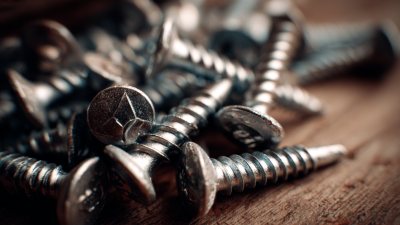
Another option is a concrete screw. These screws have threads that grip into the concrete. They offer a strong hold and are easy to install with a drill. However, they require a pilot hole, which adds extra steps. Remember, the wrong pilot size can compromise the hold.
Tips: Always check the length of the nail or screw. It should match the thickness of the material you're fastening. Also, consider using a hammer drill for optimal results. The right tools can make a significant difference. Test different types if uncertain; practice can help you learn what works best.

Comprehensive Overview of Stainless Steel DIN6926 Flange Nylon Lock Nuts: Features, Applications, and Benefits
Stainless Steel DIN 6926 Flange Nylon Lock Nuts are essential components in various applications, providing a reliable solution for securing threaded fasteners. These nuts feature a unique circular washer-like flange that increases the bearing surface area, effectively distributing load and enhancing stability when tightened. This design eliminates the need for an additional washer, simplifying the assembly process and ensuring a compact configuration. The ability of the flange to engage more surface area makes these nuts particularly advantageous in environments where load distribution is critical.
One of the standout features of DIN 6926 nuts is the permanent nylon insert located within the nut, which grips the threads of the mating screw or bolt. This nylon ring provides an effective means of resisting loosening, making these nuts ideal for applications subject to vibration and movement. Moreover, these nuts can be obtained with or without serrations; serrated options offer an additional locking mechanism that further prevents loosening under dynamic forces. The combination of these features makes Stainless Steel DIN 6926 Flange Nylon Lock Nuts a superior choice for ensuring secure and lasting connections in a variety of industrial and mechanical settings.

FAQS
: The product aims to solve common daily challenges. It enhances convenience and efficiency in regular tasks.
A wide range of individuals can benefit. Students, professionals, and homemakers often find it useful.
Generally, there are no strict age limits. However, adult supervision may be needed for younger users.
The product uses simple mechanisms to achieve its purpose. Users can easily operate it without special skills.
Some users struggle with initial setup. Others may find certain features confusing at first.
Yes, it is versatile. Users can employ it at home, in offices, or while traveling.
Many retailers offer a return option. Check the specific terms for details on returns.
Regular maintenance is recommended. Cleaning it every few weeks can extend its lifespan.
Try troubleshooting first. If that fails, refer to the manual or contact customer support for assistance.
The product is designed with sustainability in mind. However, users should be aware of disposal methods.
Conclusion
Choosing the right concrete nails for your project is crucial for ensuring a secure and lasting hold. There are various types of concrete nails available, each suited for different applications. When selecting concrete nails, several factors should be considered, including nail length and diameter, which impact the strength of the fastening. Additionally, the material composition of the nails, such as steel versus alternative materials, plays a vital role in determining durability and performance.
Compatibility with fastening tools and the corrosion resistance of the nails are also important, especially for outdoor or humid environments. Lastly, safety considerations must not be overlooked when using concrete nails, as improper handling can lead to accidents. By taking all these factors into account, you can effectively choose the right concrete nails for your specific needs, ensuring a successful outcome for your project.
Related Posts
-

How to Choose the Right Concrete Nails for Your Projects?
-

Ultimate Guide to Choosing the Right Concrete Bolts for Your Next Project
-

Why You Should Choose Concrete Nails for Your Next Construction Project
-
Essential Checklist for Choosing the Right Plasterboard Screws for Your Next Project
-

2025 Top 10 Masonry Screws: Ultimate Guide for Quality and Durability
-

10 Essential Tips for Choosing and Using Masonry Screws Effectively
