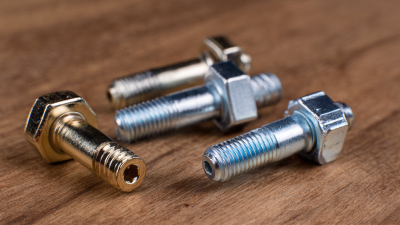
In the fast-moving world of manufacturing these days, picking the right fasteners—especially Clinching Nuts—has become more important than ever. I read a recent market report by Allied Market Research that projects the global fastener market will hit around $110 billion by 2025. A big part of that growth? Advanced fastening solutions like Clinching Nuts, which are really gaining traction. These little guys are becoming pretty much essential because they help speed up assembly and boost the strength and reliability of products across a bunch of different industries.
Dr. Emily Thompson, who’s quite the expert in fastening technology, points out that choosing the right Clinching Nuts isn’t just about making things faster—it also impacts how long your product lasts and how dependable it is. She says, “Picking the correct fastener not only makes the operation smoother but also makes sure the end product keeps on performing well over time.” As manufacturing continues to evolve and the push for lightweight yet sturdy solutions grows, it’s super helpful for engineers and manufacturers to really understand the ins and outs of Clinching Nuts. That way, they can make smarter decisions that line up with their production goals.
Since fastening tech is always changing, it’s pretty crucial for industry folks to stay in the loop about the latest trends and innovations. Knowing this stuff can really boost your assembly quality and help create safer, more efficient manufacturing processes—something we’ll definitely want to keep in mind as we look towards 2025 and beyond.

Understanding Clinching Nuts: Definition and Functionality
Clinching nuts are essential fasteners used in various industries for securing components without compromising material integrity. Their design allows for a permanent attachment that does not require additional components, like threaded inserts. A clinching nut achieves strong connections through deformation of the surrounding material, making it ideal for thin-gauge metals often found in automotive and aerospace applications. According to industry reports, the global market for such fasteners is projected to grow significantly due to the increasing demand for lightweight and compact assemblies.
When selecting the right clinching nuts, it’s crucial to consider the thickness and type of materials you’ll be working with. Always ensure that the clinching nut's specifications match the application requirements. Furthermore, proper alignment during the clinching process can enhance load-bearing capability and prevent slipping.
Another important tip is to be mindful of the environmental conditions in which the clinching nuts will be used. Factors such as temperature and humidity can affect the material properties and the performance of the connection. Regularly reviewing technical datasheets and compatibility charts can guide you in making informed choices. This adherence to industry standards helps ensure the longevity and reliability of clinched joints in critical applications.
Top Tips for Choosing the Right Clinching Nuts in 2025
This chart illustrates the key factors to consider when selecting clinching nuts in 2025, with a focus on material quality, load capacity, installation ease, corrosion resistance, and cost efficiency. Each factor is rated based on its importance to the overall selection process.
Key Materials Used in Clinching Nuts: Strength and Durability Factors
When selecting clinching nuts for various applications in 2025, it is crucial to focus on the materials used, as they heavily influence both strength and durability. Clinching nuts are often subjected to high levels of stress, so choosing materials that can withstand extreme conditions is paramount. Common options include carbon steel, stainless steel, and aluminum, each offering distinct advantages. Carbon steel is known for its high tensile strength and cost-effectiveness, making it suitable for sturdy applications. On the other hand, stainless steel provides excellent corrosion resistance, making it ideal for environments exposed to moisture or chemicals.
Another significant factor to consider is the thickness and coating of the material. Thicker clinching nuts typically provide better strength and are less likely to deform under pressure. Coatings like zinc plating or black oxide can further enhance durability by adding an extra layer of protection against environmental factors. Additionally, high-performance alloys may be a viable choice for specialized applications that demand exceptional hardness and resilience. Ultimately, selecting the right material and specifications will ensure that the clinching nuts perform effectively and maintain structural integrity over time.
Analyzing Industry Trends: The Growth of Clinching Nut Applications in 2025
As we look towards 2025, the application of clinching nuts is experiencing a significant expansion across various industries. This trend is driven by the growing demand for lightweight, durable fastening solutions that can withstand rigorous conditions in sectors such as automotive, aerospace, and construction. Clinching nuts offer a distinct advantage by eliminating the need for additional hardware, simplifying assembly processes and enhancing overall structural integrity.
Moreover, advancements in manufacturing techniques and materials are paving the way for more innovative clinching nut designs. Industries are increasingly adopting automation and robotics, thereby necessitating fastening solutions that provide both efficiency and reliability. The rise in electric vehicles further contributes to the need for clinching nuts, as their lightweight properties align with the industry's push towards sustainability. As these trends continue to evolve, understanding the specific requirements and applications of clinching nuts will be crucial for engineers and manufacturers aiming to leverage these advancements effectively.
Top Tips for Choosing the Right Clinching Nuts in 2025 - Analyzing Industry Trends: The Growth of Clinching Nut Applications in 2025
| Application Area |
Material Type |
Performance Rating |
Market Growth (%) |
Key Trend |
| Automotive Industry |
Aluminum |
A+ |
15% |
Lightweight Materials |
| Aerospace |
Titanium |
A++ |
20% |
High Strength-to-Weight Ratio |
| Electronics |
Stainless Steel |
A |
10% |
Corrosion Resistance |
| Construction |
Carbon Steel |
B+ |
12% |
Sustainable Practices |
| Medical Devices |
Plastic Composites |
A |
25% |
Biocompatibility |
Evaluating Load Capacity: How to Choose Nuts for Specific Engineering Needs
When selecting clinching nuts for specific engineering applications, understanding load capacity is paramount. In recent years, reports indicate that the global demand for fastening solutions has increased by approximately 4.5% annually, with engineers emphasizing the importance of load-bearing capacities in their material choices. Load capacity directly influences the performance and safety of assemblies, particularly in high-stress environments. For instance, a study from the Fastener Technology Institute revealed that using nuts with inadequate load ratings can lead to joint failures due to fatigue or overload, emphasizing the necessity to match the nut specifications to the intended load requirements.
To determine the appropriate nuts for particular engineering needs, professionals must meticulously evaluate both static and dynamic loads. Static loads, which represent the weight supported by the fasteners under non-moving conditions, often require nuts with higher tensile strength and shear resistance. Conversely, dynamic loads, which result from forces in motion or changing conditions, may necessitate nuts designed for vibration resistance.
As reported in the Mechanical Engineering Review, materials such as high-strength steel or advanced composites have proven to provide excellent performances under varying load conditions. Accurate calculations, combined with insights from material specifications and load charts, ensure that engineers can select the most suitable clinching nuts, thereby safeguarding their projects against potential failures.
Sustainability Considerations: Eco-Friendly Options in Clinching Nuts Design
In recent years, the design and selection of clinching nuts have increasingly emphasized sustainability, reflecting a broader industry shift towards eco-friendly practices. According to a 2023 report by the International Organization for Standardization (ISO), approximately 70% of manufacturers cite sustainability as a critical consideration in product design. Clinching nuts made from recyclable materials are gaining traction, as they not only reduce waste but also minimize the carbon footprint associated with production processes. As companies aim to achieve their sustainability goals, selecting clinching nuts that utilize materials with a lower environmental impact is essential.
When choosing clinching nuts, consider options that are designed with longevity and reusability in mind. This approach not only supports resource conservation but also aligns with circular economy principles. Look for nuts that comply with sustainability certifications, ensuring the materials used are responsibly sourced. Additionally, some manufacturers are exploring bio-based plastics and composites that offer the same strength and durability as traditional materials without the negative environmental effects.
Tip: Always assess the lifecycle of the clinching nuts you are considering. Opt for models that provide transparency in their manufacturing processes, showcasing how they contribute to environmental sustainability. Engaging with suppliers about their eco-friendly practices can yield insights into how these products fit into a more sustainable future. Furthermore, prioritize suppliers who actively participate in recycling programs, as this demonstrates their commitment to reducing ecological impact.
Quality Standards and Certifications: Ensuring Reliability in Selection
When selecting clinching nuts, understanding the quality standards and certifications is crucial to ensure reliability and safety in their intended applications. In 2025, industries will prioritize components that meet rigorous quality benchmarks. Look for nuts that comply with international standards such as ISO, ASTM, or ASME, as these certifications guarantee that the products have undergone stringent testing for durability and performance. Manufacturers that are transparent about their compliance with these standards demonstrate a commitment to quality, which can significantly reduce the risk of failure in critical applications.
Moreover, it's essential to consider any additional quality certifications specific to your industry. For instance, components used in aerospace or automotive sectors may require adherence to specific guidelines set by regulatory bodies to ensure safety and reliability. Researching these certifications can provide insights into the manufacturing processes and material standards used in the production of clinching nuts. By prioritizing quality certifications, buyers can not only enhance the integrity of their projects but also align with best practices that can lead to long-term success in their operations.
Future Innovations: Emerging Technologies Impacting Clinching Nut Production
As we look toward 2025, the production of clinching nuts is poised to undergo significant transformation driven by emerging technologies. One of the most promising innovations is the integration of advanced materials science. The development of lighter yet more durable materials can enhance the performance and longevity of clinching nuts, allowing them to withstand higher stress and strain. This evolution not only improves the product's reliability but also contributes to weight reduction in various applications, particularly in the automotive and aerospace sectors, where every gram counts.
In addition to materials innovation, automation and artificial intelligence are set to revolutionize manufacturing processes. Smart manufacturing techniques, including robotics and machine learning, will enable more precise production methods, reducing waste and increasing efficiency. Automated quality control systems can detect defects in real-time, ensuring that clinching nuts meet stringent standards before they reach the market. These advancements not only streamline production but also allow for greater customization, enabling manufacturers to cater to specific industry needs and consumer preferences. The synergy of these technologies marks a pivotal shift in the clinching nut industry, where adaptability and innovation will define success.
Comprehensive Guide to Choosing and Using Stainless Steel Kep Lock Nuts for Optimal Performance and Durability
When it comes to assembling components that require reliability and ease of disassembly, stainless steel kep lock nuts are an exemplary choice. These nuts feature a hex head and are pre-assembled, which simplifies the installation process. A distinctive characteristic of the kep nut is its built-in external tooth lock washer design, which enhances its ability to grip the surface effectively, preventing loosening due to vibrations or dynamic loads. This makes them particularly useful in environments where equipment might need regular maintenance or adjustments.
The locking mechanism of the kep nut applies pressure directly to the surface it secures, ensuring a tight, secure fit without the need for additional locking devices. This feature not only streamlines the assembly process but also offers exceptional durability and performance. Whether used in automotive applications, machinery, or aerospace, these nuts provide robust support for connections that might need to be removed or adjusted in the future. Selecting stainless steel kep lock nuts guarantees that your assemblies will withstand the test of time while remaining accessible for maintenance.
FAQS
: Clinching nuts are fasteners designed to secure components without compromising the integrity of the material. They create a permanent attachment through deformation, making them suitable for thin-gauge metals used in industries like automotive and aerospace.
When selecting clinching nuts, consider the thickness and type of materials involved. Ensure that the specifications of the clinching nuts align with the application requirements for optimal performance.
Proper alignment during the clinching process is essential as it enhances load-bearing capability and reduces the risk of slipping.
Factors such as temperature and humidity can influence the material properties and the performance of the connection, so it's important to consider these conditions when selecting and using clinching nuts.
Quality standards and certifications, such as ISO and ASTM, ensure that clinching nuts have undergone rigorous testing for durability and performance. This compliance helps guarantee reliability and safety in their intended applications.
Choose manufacturers who are transparent about their compliance with quality standards. This transparency indicates a commitment to quality and can reduce the risk of failure in critical applications.
Yes, certain industries, like aerospace or automotive, have specific certification requirements that ensure components meet regulatory safety and reliability guidelines. Researching these can inform your selection.
Regularly review technical datasheets and compatibility charts to make informed choices that adhere to industry standards, which is crucial for maintaining the longevity and reliability of clinched joints.
The demand for lightweight and compact assemblies is driving significant growth in the global market for clinching nuts due to their advantageous design and functionality.
Prioritizing quality certifications not only enhances the integrity of projects but also aligns with best practices, contributing to long-term success in operations.
Conclusion
The article "Top Tips for Choosing the Right Clinching Nuts in 2025" provides valuable insights into understanding clinching nuts, their functionality, and the materials that contribute to their strength and durability. As the usage of clinching nuts continues to grow across various industries in 2025, selecting the appropriate nuts for specific engineering needs is essential, particularly with respect to evaluating load capacity. The article also highlights the importance of sustainability, presenting eco-friendly design options, and discusses the significance of adhering to quality standards and certifications to ensure reliability in selection.
Moreover, it explores future innovations and emerging technologies that are shaping the production of clinching nuts, paving the way for advanced and efficient solutions. By examining these aspects, the article serves as a comprehensive guide for engineers and manufacturers looking to make informed decisions about clinching nuts in the evolving market landscape.