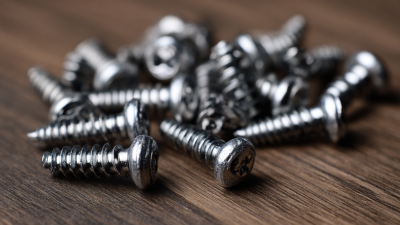
Lately, there's been a real uptick in how much industries want high-quality spring washers. I was reading this recent report from Global Market Insights, and it says that the spring washer market might hit around $4.5 billion by 2026. That’s mainly because they're so heavily used in car manufacturing and construction. Honestly, as David Chan, a pretty well-respected expert on fasteners, pointed out, "Choosing the right spring washer can really make or break how well your assembly turns out." It’s kinda crazy how much difference a small part like this can make!
Picking out the right spring washer isn’t just a quick pick-and-choose task. You gotta think about things like material, size, and how much load it needs to handle. For example, stainless steel washers are pretty awesome for outdoor stuff since they resist rust so well. But if you’re just using them indoors, maybe carbon steel ones do the job and are easier on the wallet. Still, a lot of companies overlook these little details, and that’s when failures happen — you know, the kinds that cause headaches down the line.
Some manufacturers are trying to step up their game with newer, more advanced spring washers made for specific needs. But, honestly, not every new option out there passes the test. You really can’t afford to sacrifice quality just to save a few bucks. As we look at the top spring washers for 2026, understanding what goes into choosing the right one is super important if you want your assemblies to be reliable and perform well in the long run.
Spring washers are fascinating components. They are designed to prevent loosening of machinery and fasteners. These washers absorb shocks and vibrations effectively. This is crucial in applications where stability is necessary.
When considering spring washers, understanding their structure is vital. They feature a conical shape, which provides elasticity. This ability to compress and expand makes them unique. Their application varies, yet their core function remains the same. They ensure that bolts and nuts maintain tension.
Choosing the right spring washer can be challenging. Not all are suitable for every application. Material selection plays a role in performance. Sometimes, users overlook the need for specific dimensions. This oversight can lead to mechanical failure. It’s important to assess the requirements carefully. Maintain awareness of the consequences of incorrect choices. Small details can make a big difference in functionality.
When choosing spring washers, the material plays a crucial role. Various materials offer different advantages. For example, stainless steel is corrosion-resistant and durable. It's suitable for outdoor applications. On the other hand, carbon steel is strong but may rust without proper protection.
Please remember, the choice of material can impact performance. Consider the environment where the washer will be used. If the area is prone to moisture, rust-resistant options are preferable.
Tips to keep in mind: Always check for compatibility with your existing materials. Test a few types to see what works best for your project. Don't overlook the importance of thickness and shape. An ill-fitting washer can lead to failure. Every detail matters in ensuring reliability.
Spring washers are crucial components in various applications. They provide tension, absorb shock, and prevent loosening in assemblies. Understanding the types of spring washers can enhance your selection process.
There are several types of spring washers. The most common is the plain spring washer. It offers simple tension and support. Belleville washers are popular for high-load applications. They can withstand greater forces and maintain compression. Wave washers are another type, designed for applications requiring a flexible bias. They distribute load evenly, preventing wear and providing resilience.
Tips: Always consider your application needs. Material choice can significantly affect performance. Stainless steel is corrosion-resistant but may not handle extreme loads.
In a recent industry report, it was noted that improper washer selection costs companies up to 30% in maintenance. Therefore, a thorough understanding of the differences in washer types can help reduce ongoing expenses. Non-standard sizes and shapes might be necessary for unique applications. However, these can complicate sourcing and increase lead times. Reflect on your specific requirements to avoid these pitfalls.
Choosing the right spring washers for your project involves several key factors.
The material of the washer is crucial. Steel, stainless steel, and plastic options are common.
Each material has specific applications and limitations. For instance, steel offers strength,
while plastic provides corrosion resistance.
Consider the environment where the washer will be used. Harsh conditions can affect performance.
The size and thickness of the washer also play significant roles. A washer too large may not fit well,
while one too small might fail under pressure.
Finally, think about the load and spring constant needed for your project.
Not every washer will meet high load demands.
It's essential to assess what you truly require. Often, the right choice feels elusive,
leading to second-guessing and adjustments.
This reflection is part of the selection process, ensuring you end up with the most suitable option.
Spring washers serve a critical function in load distribution. They help mitigate the risk of loosening due to vibration. This quality is essential in various applications, including machinery and structural connections. When installed properly, spring washers can enhance the reliability of a system. However, if not sized correctly, they may fail to provide the desired support.
The design of a spring washer allows it to compress under load, spreading that load evenly across the surface. This prevents stress concentration on any single point. Inadequate or poorly maintained washers can lead to serious structural issues over time. It’s crucial to regularly assess their condition. It might be tempting to overlook small signs of wear, but this could result in bigger problems down the line.
Factors like material choice and washer thickness play vital roles as well. Choosing the wrong material may lead to corrosion or incompatibility issues. Many users underestimate the impact of these choices. While spring washers appear simple, their effective use requires careful consideration. Hence, taking the time to reflect on these details can greatly improve performance and safety in applications.
Maintaining spring washers is crucial for their longevity and optimal performance. Frequent inspection is essential. A well-documented study indicated that regular checks can increase the lifespan of spring washers by up to 40%. This is critical in enhancing mechanical efficiency across various industries.
When cleaning spring washers, use non-corrosive agents. Harsh chemicals can degrade materials and reduce function. Inadequate cleaning can lead to buildup, which affects tightness and performance. Additionally, proper lubrication prevents wear and tear. According to research, lack of lubrication can cut the service life of washers by 50%.
Another key aspect is proper storage. Keep spring washers in a dry place to prevent rust. Moisture can significantly shorten their lifespan. The dimensions and specifications of washers should be noted meticulously. Incorrect sizes can lead to inadequacies in performance, creating potential failures. Regular training for maintenance teams can enhance awareness around these issues, leading to improved operational reliability and reduced costs.
| Type | Material | Inner Diameter (mm) | Outer Diameter (mm) | Thickness (mm) | Load Capacity (N) | Maintenance Tips |
|---|---|---|---|---|---|---|
| Flat Spring Washer | Steel | 10 | 20 | 2 | 1500 | Check for corrosion regularly. |
| Conical Spring Washer | Stainless Steel | 12 | 22 | 1.5 | 1200 | Lubricate the surface to minimize wear. |
| Belleville Washer | Composite Material | 15 | 25 | 3 | 2000 | Inspect for wear and replace as needed. |
| Lock Washer | Alloy Steel | 8 | 18 | 2.5 | 1000 | Ensure tight fit to prevent loosening. |
As we look towards 2026, the field of spring washer technology is evolving rapidly. Advanced materials are becoming more prevalent. For instance, the shift to composite materials may enhance durability while reducing weight. These changes could lead to better performance across diverse applications.
Design innovations are also on the horizon. A focus on user-friendly installation techniques is evident. Washers may feature integrated locking mechanisms to prevent slippage. However, this could complicate compatibility with older systems. Manufacturers need to balance innovation with practicality.
Sustainability is another key trend. Eco-friendly materials may dominate the market. Yet, sourcing these materials can be challenging. The effect on cost and availability remains uncertain. These factors call for ongoing reflection in design decisions. The road ahead is full of possibilities, but it requires careful consideration at every stage.
: This product aims to enhance daily convenience for users. It simplifies tasks and saves time.
Follow the instructions carefully. Ensure you understand each step for optimal results.
Yes, it is designed for both indoor and outdoor use. However, consider weather conditions if using outside.
If you encounter issues, check the troubleshooting guide. Often, simple fixes are suggested.
Generally, it is safe but always supervise younger users. Ensure they follow safety guidelines.
Some users overlook setup instructions. Others may misuse features due to misunderstanding.
Regular cleaning is necessary. Use a soft cloth and gentle cleaning solution to avoid damage.
Storing it in a cool, dry place is ideal. Avoid direct sunlight for extended periods.
You can often find digital versions online. Check the official website for resources.
Regular checks are essential. Look for any unusual sounds or performance drops as warning signs.
Spring washers are essential components in various mechanical applications, designed to enhance load distribution and maintain tension in bolted joints. This article discusses their definition and functionality, highlighting the key materials utilized in their construction, such as stainless steel and carbon steel, which offer distinct advantages like corrosion resistance and tensile strength.
It further explores the different types of spring washers, their applications, and emphasizes crucial factors to consider when selecting the right spring washer for specific projects. Maintenance tips for ensuring the longevity and optimal performance of spring washers are provided, along with insights into future trends and innovations in spring washer technology and design anticipated for 2026. Understanding these aspects is vital for engineers and designers seeking to enhance the reliability and efficiency of their assemblies.